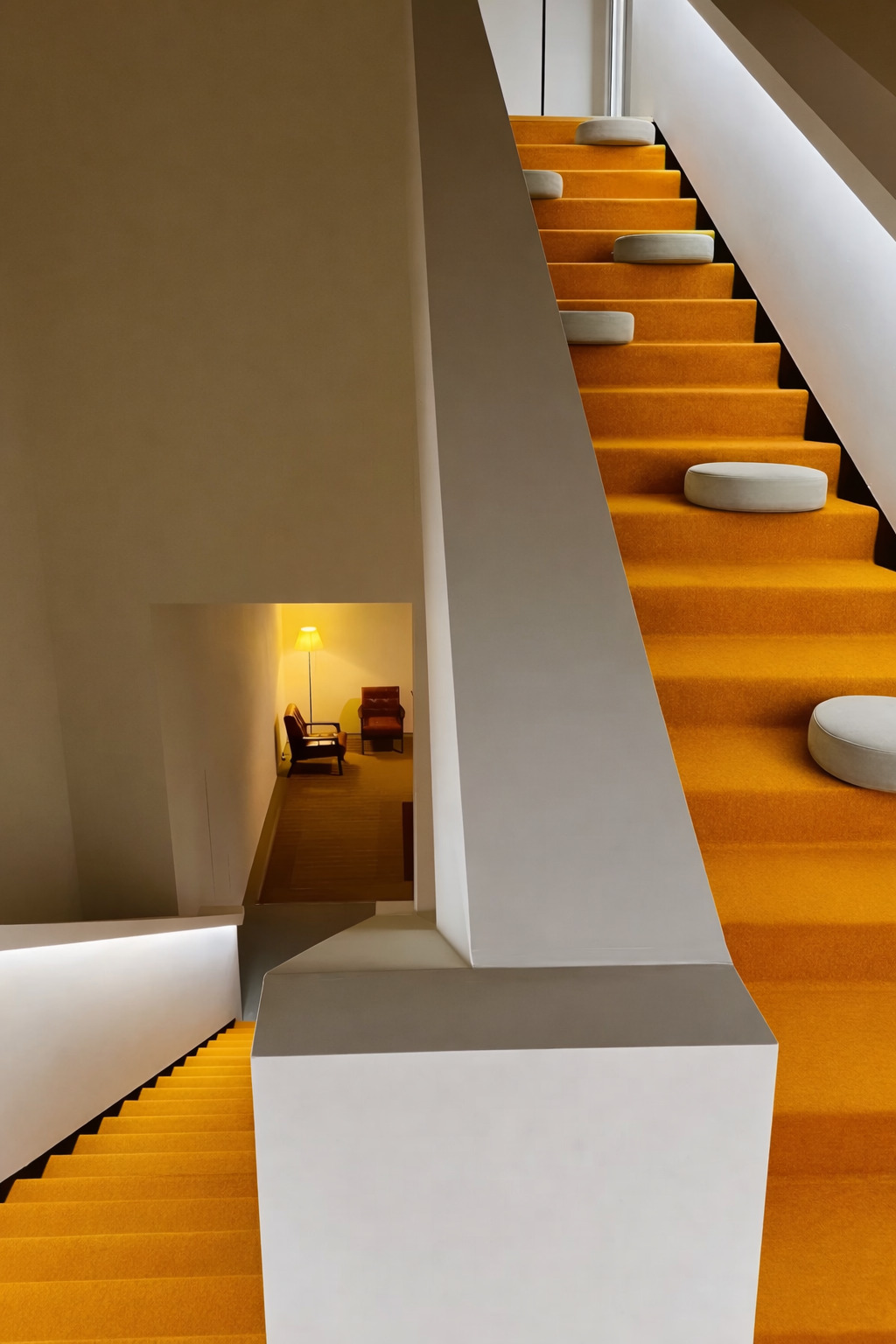
As the TFAM’s new collection vault is about to be inaugurated, this exhibition focuses specifically on female artists’ works in our collection, aiming to shine a light on a creative dimension of contemporary art that is both tender and resilient. It seeks to provide a new perspective from which audiences can understand and interpret the collection. Moreover, this exhibition foregrounds that our new collection vault not only implies the expansion of physical space but also commits to unwavering exploration of the inner conditions of contemporary art.
As a concept of human geography, “enclave” refers to a territory entirely surrounded by the territory of one country but not under its jurisdiction. Derived from Latin, enclave comprises the prefix “en” (in, within something) and “clave” (key), literally translated as “a locked space.” This exhibition invokes the metaphor of “enclave” to represent a creator’s inner world, indicating a safe haven for consciousness, a space which can be shielded autonomously, so that the creator can maintain inner peace and steadfastness in the face of external interventions or emotional fluctuations. The exhibition mirrors the rich inner worlds and diverse life experiences expressed in women’s art, extending the common autobiographical narrative in literature to convey the context and life concerns of artists across different stages of their lives.

Taking To The Lighthouse by Virginia WoolF as one of the exhibition’s central threads, the curatorial structure establishes a cross media correspondence between literature and visual art, allowing the exhibition to enter into a structural dialogue with literary form.
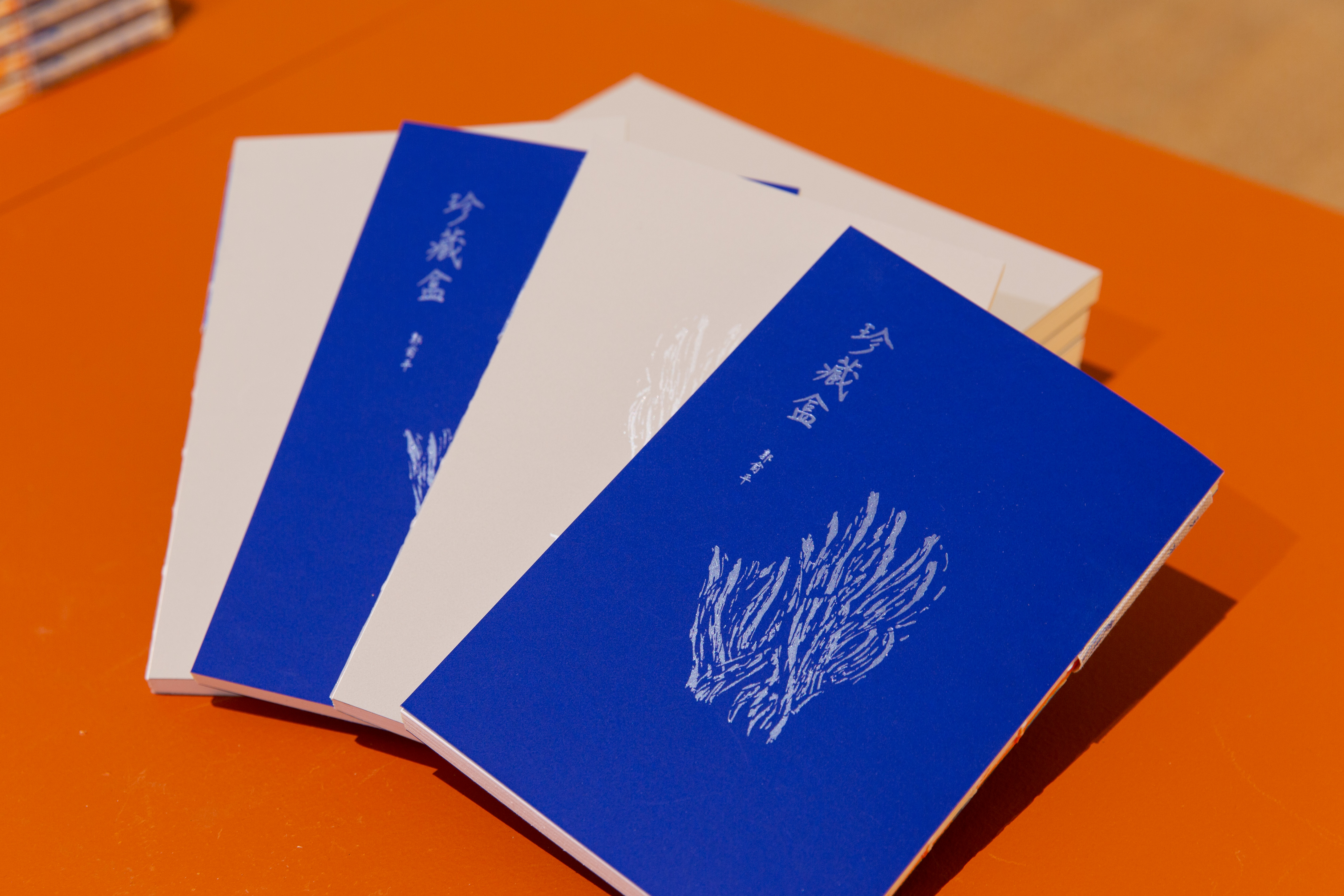
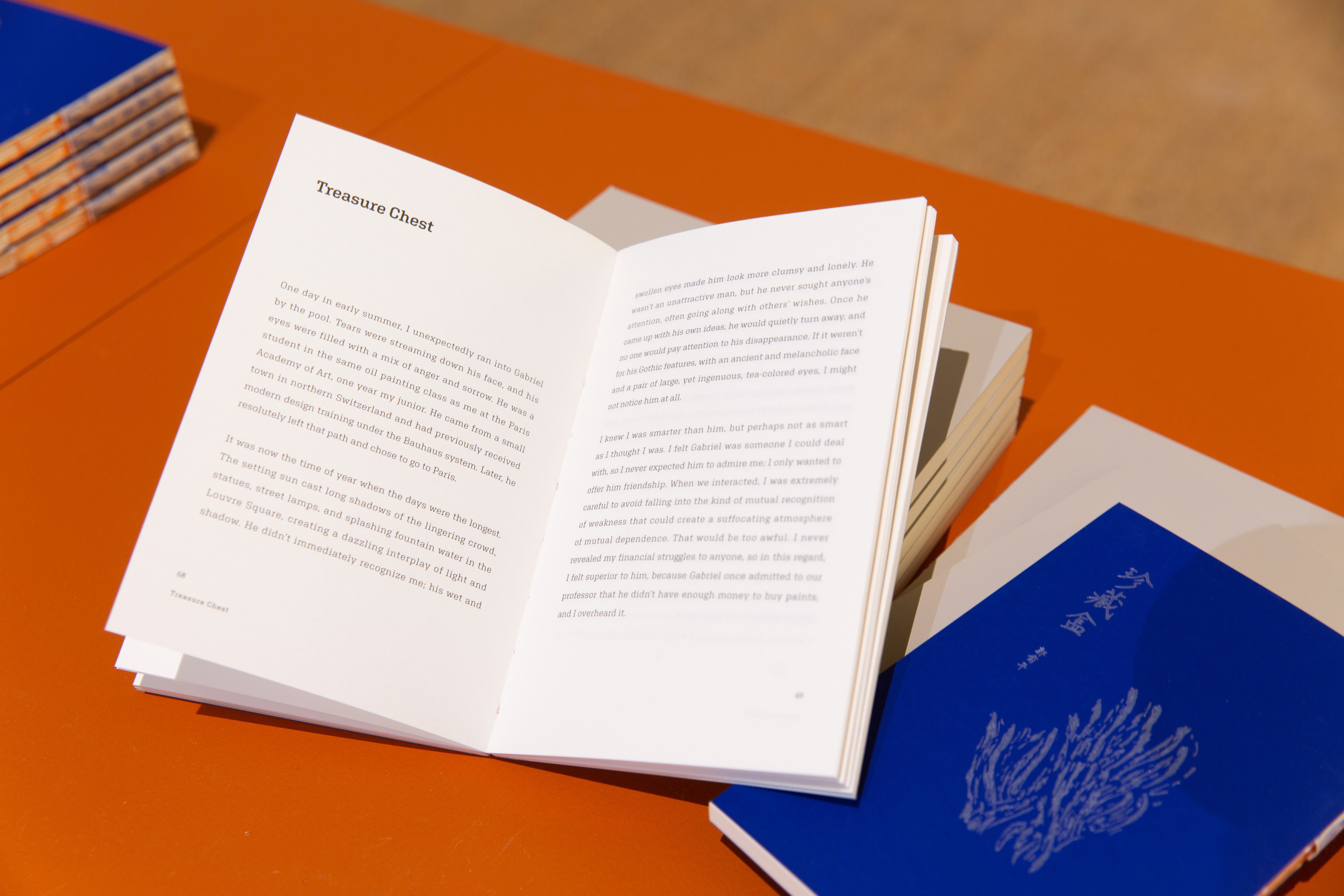
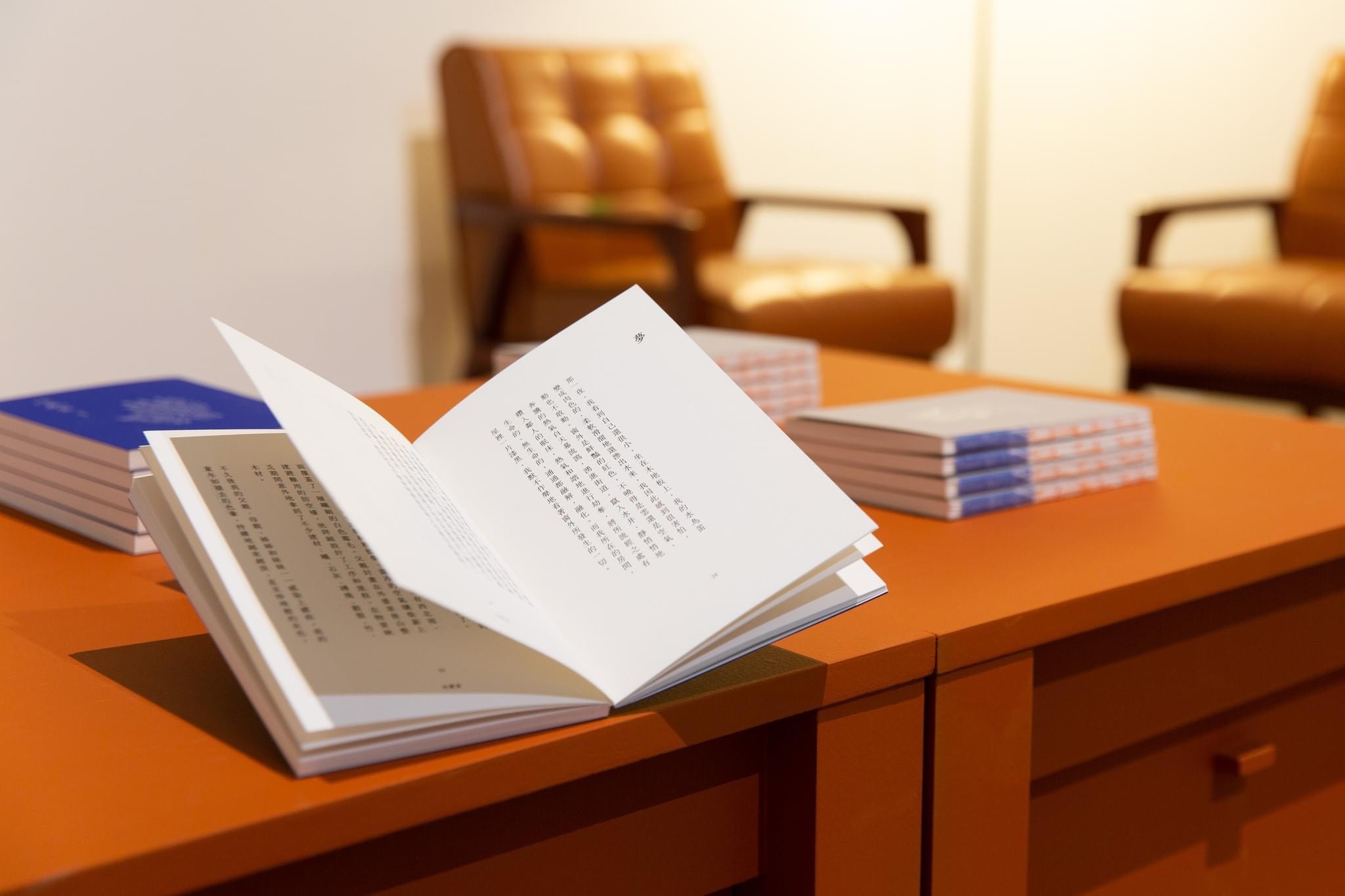
Another major highlight of the exhibition is Kuo Yu Ping’s commissioned writing project The Treasure Box, created for the museum through an interweaving and rewriting of life stories drawn from different participating women artists. Conceived both as a complete publication and as a reading space occupying the middle section of the exhibition, the work introduces writing as a spatial and narrative medium within the exhibition itself. As a woman artist, Kuo’s prose is distilled and elegant, yet quietly charged with force. In recent years, writing has become an important channel through which she moves between creativity, social concerns, and the experiences of herself and the women around her.
In this project, the tripartite structure formed by the chapters “Kyoko,” “The Treasure Box,” and “River” also seems to echo To the Lighthouse. More significantly, Woolf’s novel does not unfold through an omniscient narrative voice; rather, she appears to inhabit different consciousnesses, moving between the interior worlds of her characters and writing through their perceptions and sensations. A similar quality emerges in the layered structure of The Treasure Box: Kuo’s writing likewise seems to enter, almost as if by possession, into the creative spirit of women situated in particular historical moments, refracting fragments of the century spanning landscape of women’s art that Enclave: An Autobiography seeks to trace.